What is Female Infertility?

Understanding Infertility

Female infertility refers to a woman’s inability to conceive or carry a pregnancy to term. It can result from a variety of conditions that affect the reproductive system. Female infertility accounts for around 30-40% of all infertility cases.

Common Causes of Female Infertility

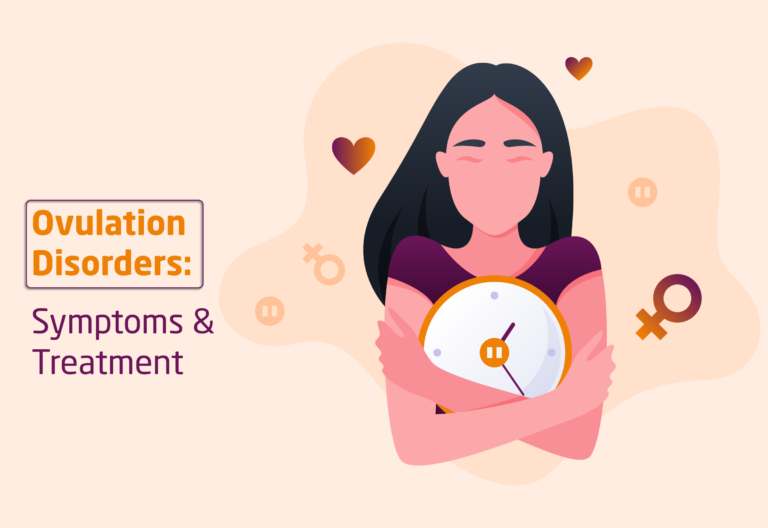
  • Ovulation Disorders: Conditions like Polycystic Ovary Syndrome (PCOS) and hypothalamic dysfunction can disrupt regular ovulation, making it difficult to conceive.
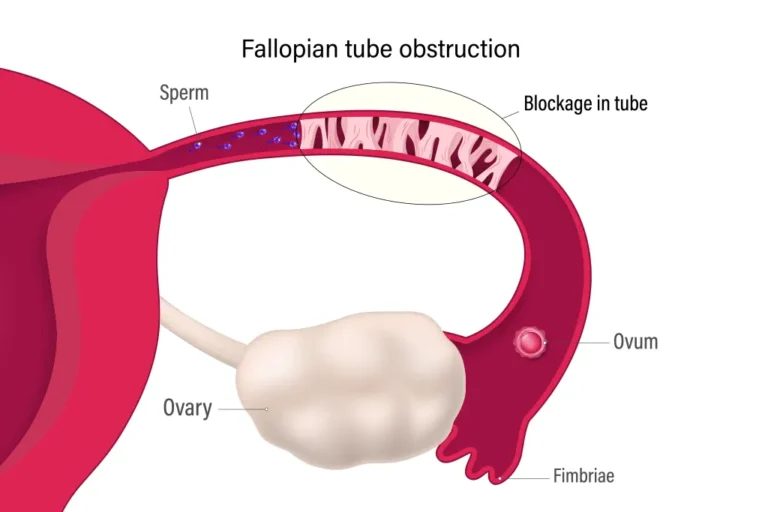
  • Blocked Fallopian Tubes: Damage or blockage in the fallopian tubes due to pelvic inflammatory disease (PID), endometriosis, or previous surgeries can prevent sperm from reaching the egg.
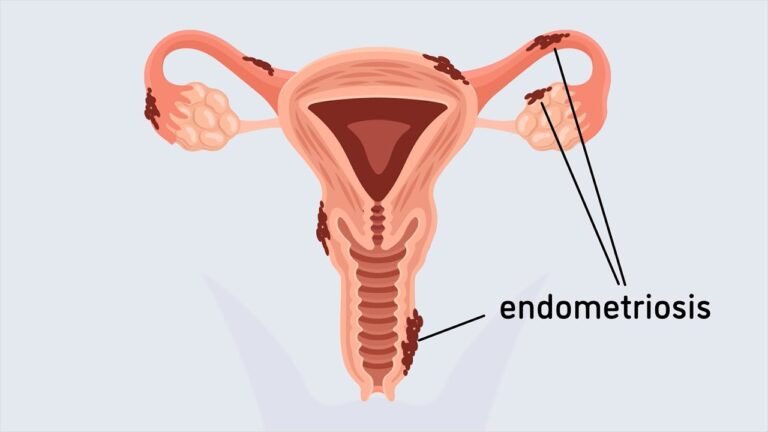
  • Endometriosis: A condition where tissue similar to the uterine lining grows outside the uterus, often causing pain and reducing fertility by affecting the function of the ovaries, fallopian tubes, and uterus.
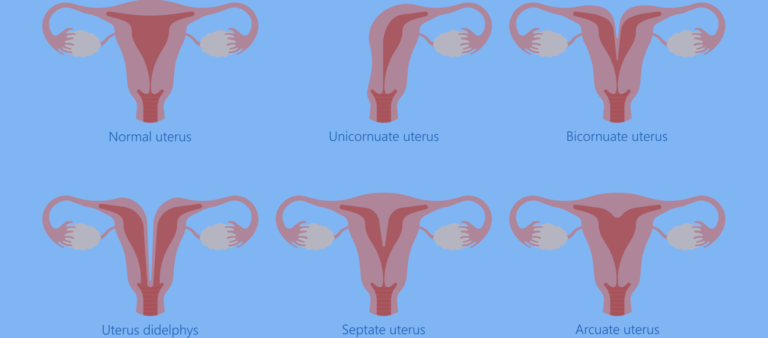
  • Uterine or Cervical Abnormalities: Structural issues such as fibroids, polyps, or scarring can interfere with the implantation of an embryo.
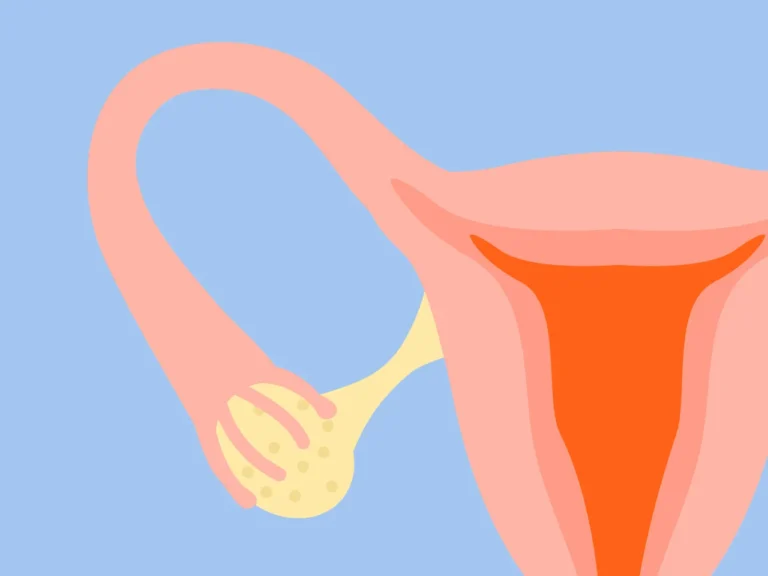
  • Diminished Ovarian Reserve: The number and quality of eggs decline with age, especially after 35, reducing the chances of a successful pregnancy. 
  • Annual Exams
Annual exams, also known as well-woman exams or annual check-ups, are a fundamental component of women’s healthcare. These routine appointments, typically conducted by a General Practitioner (GP) or gynecologist, are essential for maintaining and monitoring women’s health throughout their lives.

During these exams, healthcare providers can assess various aspects of a woman’s well-being, including reproductive health, cardiovascular health, and overall physical and emotional well-being. They often include a pelvic exam, breast examination, blood pressure measurement, and discussions about contraception, family planning, and any concerns or questions the patient may have.

Annual exams serve not only as a preventative measure but also as an opportunity for education, early detection of health issues, and establishing a strong patient-provider relationship. Regularly scheduling and attending these exams can contribute significantly to women’s overall health and quality of life.
Here are some of the check up and health screenings that you should get done:

* The specific exams and screenings recommended can vary based on a woman’s age, family history, personal health history, and risk factors. It’s essential to discuss your individual healthcare needs and screening schedule with your healthcare provider.

  • Symptoms of Female Infertility
  • Irregular Menstrual Cycles: A cycle that is consistently too long (35 days or more) or too short (less than 21 days) can indicate an ovulation problem.
  • Painful Periods: Severe menstrual cramps and pelvic pain may be a sign of endometriosis.
  • Hormonal Changes: Symptoms like sudden weight gain, severe acne, or hair loss can indicate hormonal imbalances affecting fertility.
  • Diagnosis and Testing

Diagnosing female infertility involves several steps:

  • Blood Tests: To check hormone levels related to ovulation.
  • Ultrasounds: To evaluate the health of the ovaries, uterus, and fallopian tubes.
  • Hysterosalpingography (HSG): A specialized X-ray to check for blockages in the fallopian tubes.
  • Laparoscopy: A minor surgical procedure to look for endometriosis, pelvic scarring, or other structural issues.
Treatment Options for Female Infertility
  • Ovulation Induction: Medications like Clomiphene or Gonadotropins can stimulate ovulation in women who don’t ovulate regularly.
  • Surgery: To remove fibroids, polyps, or treat endometriosis.
  • Assisted Reproductive Technology (ART): Procedures like IUI and IVF can help overcome challenges like blocked fallopian tubes or unexplained infertility. In IVF, eggs are fertilized outside the body and then implanted in the uterus.
Coping with Female Infertility

Infertility can be emotionally challenging, especially for women. Support groups, counseling, and open communication with a partner can help in navigating the stress and emotional aspects of the journey toward parenthood.

Frequently Asked Questions

Gynecologists are medical specialists who focus on women’s reproductive health, and they can provide care and treatment for a wide range of issues, including Routine Gynecological Exams, Menstrual Disorders, Contraception, Menopause Management, Gynecological Infections, Pelvic Pain and Disorders, Gynecological Cancers, Surgical Procedures, Hormone Therapy, Sexual Health and more.

The pricing of women’s health treatments should prioritize accessibility and affordability, ensuring that essential healthcare services, such as gynecological exams, prenatal care, contraception, and screenings for conditions like breast cancer and STDs, are within reach for all women. Our aim is to provide fair and transparent pricing, along with options for financial assistance, should be made available to promote women’s overall well-being and equality in healthcare.

Gynecological treatments can involve various procedures, medications, and interventions, each with its own set of risks and potential side effects. The specific risks and side effects can vary depending on the type of treatment, individual patient factors, and the underlying condition being addressed. It’s essential to discuss these risks and potential side effects with your healthcare provider before starting any gynecological treatment.

The recovery time for gynecological treatments varies widely, depending on the specific treatment or procedure and individual factors. For medication-based treatments like hormonal contraception, recovery is typically immediate, with no need for downtime. In contrast, procedures such as intrauterine device (IUD) insertion often require no more than a brief recovery period, with women resuming their regular activities soon afterward. Minimally invasive procedures, such as endometrial ablation or hysteroscopy, usually entail several days to a few weeks of recovery, marked by mild discomfort, spotting, and cramping. Surgical interventions like a hysterectomy might necessitate a more extended recovery period, ranging from several weeks to a few months, depending on the extent of the surgery and individual healing. It’s essential to follow post-treatment instructions and consult with healthcare providers for personalized guidance during the recovery process, ensuring a smooth return to daily life and activities.

How an individual feels after a gynecological treatment can vary widely based on several factors, including the type of treatment or procedure, their overall health, and individual sensitivity to medical interventions. In some cases, such as medication-based treatments or the insertion of an intrauterine device (IUD), many women may feel little to no discomfort and can often resume their usual activities immediately. For minimally invasive procedures like hysteroscopy or endometrial ablation, mild discomfort, spotting, and mild cramping may be experienced for a few days to a few weeks post-treatment. Surgical interventions, such as a hysterectomy, generally entail a more extended recovery period marked by varying levels of pain or discomfort, potentially necessitating several weeks or months for a full return to regular activities.
Disclaimer: Results and patient experiences may vary. These are dependent on a number of factors including age, medical history, lifestyle and more.

Treatment Options for Female Infertility​

Ovulation Induction

Medications like Clomiphene or Gonadotropins can stimulate ovulation in women who don’t ovulate regularly.

Surgery

To remove fibroids, polyps, or treat endometriosis.

Assisted Reproductive Technology (ART)

Procedures like IUI and IVF can help overcome challenges like blocked fallopian tubes or unexplained infertility. In IVF, eggs are fertilized outside the body and then implanted in the uterus.

You’re Not Alone on This Journey

Infertility can be an emotional challenge, but support is here. Join our support groups, explore counseling options, or speak with a specialist to help navigate the stress of your journey to parenthood.