
Male Infertility
Male Infertility
Understanding the Causes and Treatment Options
Male infertility is a significant factor in couples' struggles with conception, contributing to around 30-40% of infertility cases. It occurs when a man experiences difficulty in impregnating a woman, often related to issues with sperm production, quality, or the delivery of sperm. At Baby4Real, we aim to provide a thorough understanding of male infertility and the treatment options available to improve fertility outcomes.
What is Male Infertility?
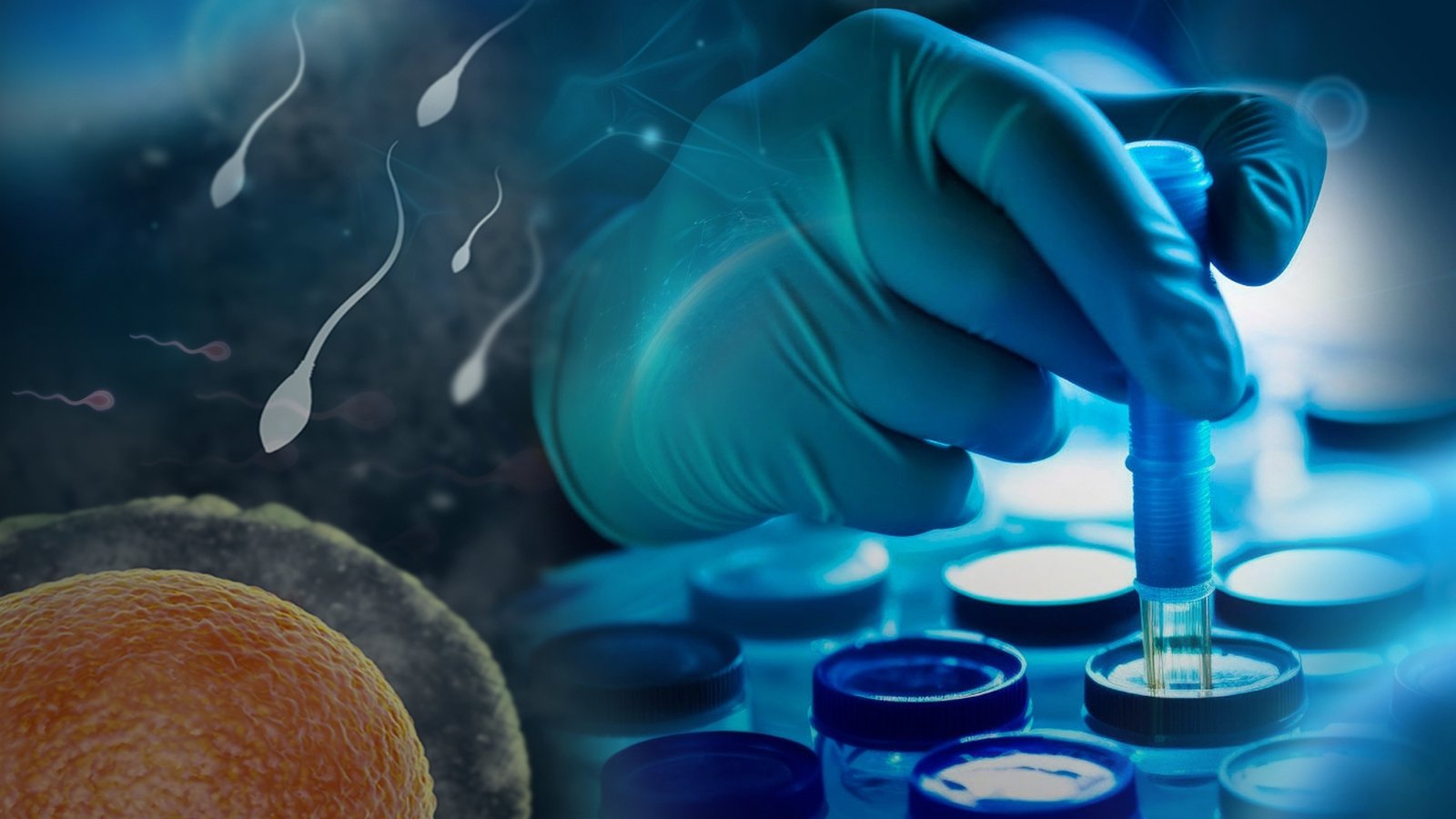
Male infertility refers to a man’s reduced ability to fertilize an egg due to various factors that affect sperm quality, quantity, and delivery. This condition plays a crucial role in infertility and can result from problems such as low sperm count, poor sperm motility, abnormal sperm morphology, hormonal imbalances, and structural issues like varicoceles. Identifying the root cause of male infertility is essential for determining the most effective treatment.
Why Does Male Infertility Occur?
Several factors can contribute to male infertility, including:
- Low Sperm Count (Oligospermia): A sperm count lower than 15 million sperm per milliliter is considered low and reduces the chances of conception.
- Poor Sperm Motility: Sperm that lack the ability to swim effectively may struggle to reach and fertilize the egg.
- Abnormal Sperm Morphology: If the sperm’s shape is abnormal, it can hinder the sperm’s ability to penetrate and fertilize the egg.
- Hormonal Imbalances: Imbalances in testosterone and other reproductive hormones can disrupt sperm production and fertility.
- Varicocele: Enlarged veins within the scrotum that can interfere with sperm production.
- Ejaculatory Issues: Conditions like retrograde ejaculation, where semen enters the bladder instead of exiting through the penis, can prevent sperm from reaching the egg.
- Childhood Injury: Trauma or injury to the testicles during childhood can damage sperm production or affect the structure of the reproductive system, leading to infertility.

Lifestyle and Environmental Factors:
Smoking & Alcohol:
Both can lower sperm count and quality.
Exposure to Toxins:
Chemicals, pesticides, and heat (e.g., hot tubs) can negatively affect sperm production.
Stress & Obesity:
High-stress levels and being overweight can impair fertility by affecting hormone production and sperm quality.
How is Male Infertility Diagnosed?
To accurately diagnose male infertility, a series of tests are performed:
- Semen Analysis: Evaluates sperm count, motility, and morphology to assess overall sperm health.
- Hormonal Testing: Measures testosterone and other hormones that influence sperm production.
- Scrotal Ultrasound: Used to identify structural issues like varicoceles that could affect fertility.
- Annual Exams
During these exams, healthcare providers can assess various aspects of a woman’s well-being, including reproductive health, cardiovascular health, and overall physical and emotional well-being. They often include a pelvic exam, breast examination, blood pressure measurement, and discussions about contraception, family planning, and any concerns or questions the patient may have.
Here are some of the check up and health screenings that you should get done:
- Pelvic Exam
- Pap Smear (Cervical Cancer Screening)
- Breast Exam
- Blood Pressure Measurement
- Cholesterol Screening
- Bone Density Scan (DXA)
- Blood Sugar Test (Glucose Screening)
- Thyroid Function Tests
- Blood Count (Complete Blood Count, CBC)
* The specific exams and screenings recommended can vary based on a woman’s age, family history, personal health history, and risk factors. It’s essential to discuss your individual healthcare needs and screening schedule with your healthcare provider.
- How Our Donor Program Works
Treatment Options for Male Infertility
There are various treatment options available, depending on the underlying cause of infertility:
- Lifestyle Modifications:
Improving diet, increasing physical activity, and reducing exposure to toxins (like smoking and alcohol) can help improve sperm quality and overall fertility.


- Medications:
Hormonal treatments may be used to regulate sperm production or correct imbalances in testosterone and other hormones.
- Surgical Procedures:
Surgical options, such as varicocele repair or removal of blockages in the reproductive tract, can help improve sperm production and delivery.


- Assisted Reproductive Technologies (ART):
For severe cases of male infertility, IUI (Intrauterine Insemination) or IVF with ICSI (Intracytoplasmic Sperm Injection) may be recommended. These methods can bypass certain infertility issues and significantly increase the chances of conception.
- Why Choose Baby4Real for Male Infertility Treatment?
Our expert fertility specialists work closely with you to understand the underlying cause of male infertility and recommend personalized treatment plans. With advanced diagnostic tools and the latest ART techniques, we are committed to helping you overcome infertility challenges and achieve your dream of parenthood.
Frequently Asked Questions
What area of gynecology you treat?
What are the fees?
The pricing of women’s health treatments should prioritize accessibility and affordability, ensuring that essential healthcare services, such as gynecological exams, prenatal care, contraception, and screenings for conditions like breast cancer and STDs, are within reach for all women. Our aim is to provide fair and transparent pricing, along with options for financial assistance, should be made available to promote women’s overall well-being and equality in healthcare.
What are the risks and side effects of treatment?
what is the recovery time?
How will I feel after treatment?
Take Control of Your Reproductive Health
Our Donor Program is designed to guide you through the complexities of building your family, offering the support and resources you need to turn your dream of parenthood into a reality.