IUI (Intrauterine Insemination)

What is IUI?

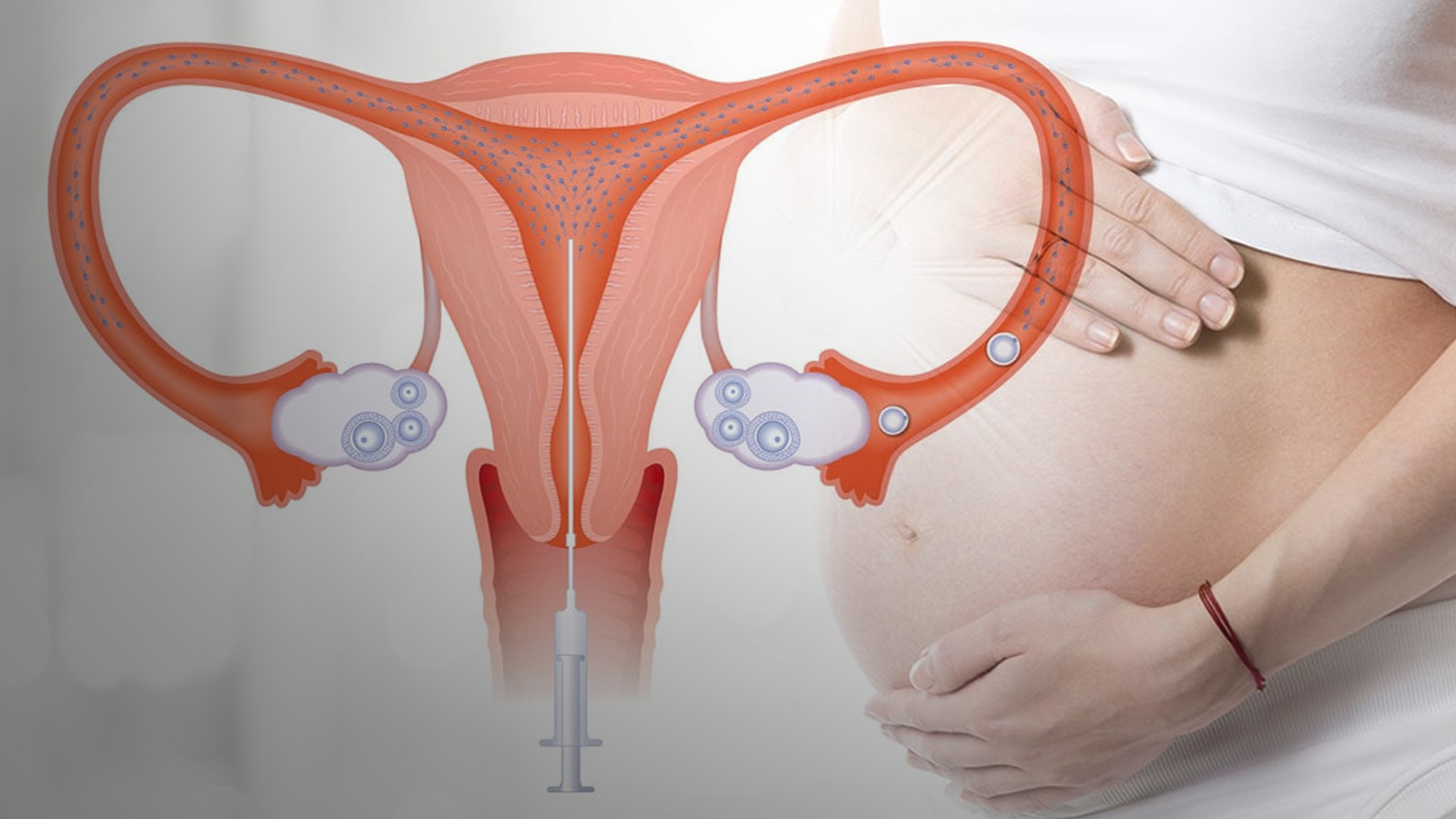
Intrauterine Insemination (IUI) is a simple fertility treatment that involves placing washed and concentrated sperm directly into a woman’s uterus around the time of ovulation. This procedure increases the number of sperm that reach the fallopian tubes, enhancing the chances of fertilization.

When is IUI Recommended?

IUI is a popular choice for:

  • Unexplained Infertility: When the cause of infertility is unknown after initial tests.

  • Mild Male Infertility: In cases where sperm count or motility is slightly below normal.

  • Cervical Mucus Issues: When the cervical mucus is hostile to sperm, preventing it from reaching the egg.
  • Ovulation Issues: IUI can be combined with medication to induce ovulation in women who don’t ovulate regularly.

IUI is a popular choice for:

  • Annual Exams
Annual exams, also known as well-woman exams or annual check-ups, are a fundamental component of women’s healthcare. These routine appointments, typically conducted by a General Practitioner (GP) or gynecologist, are essential for maintaining and monitoring women’s health throughout their lives.

During these exams, healthcare providers can assess various aspects of a woman’s well-being, including reproductive health, cardiovascular health, and overall physical and emotional well-being. They often include a pelvic exam, breast examination, blood pressure measurement, and discussions about contraception, family planning, and any concerns or questions the patient may have.

Annual exams serve not only as a preventative measure but also as an opportunity for education, early detection of health issues, and establishing a strong patient-provider relationship. Regularly scheduling and attending these exams can contribute significantly to women’s overall health and quality of life.
Here are some of the check up and health screenings that you should get done:

* The specific exams and screenings recommended can vary based on a woman’s age, family history, personal health history, and risk factors. It’s essential to discuss your individual healthcare needs and screening schedule with your healthcare provider.

The ICSI Procedure​

Ovulation Tracking
Monitoring the woman’s cycle to pinpoint the time of ovulation.
Sperm Preparation
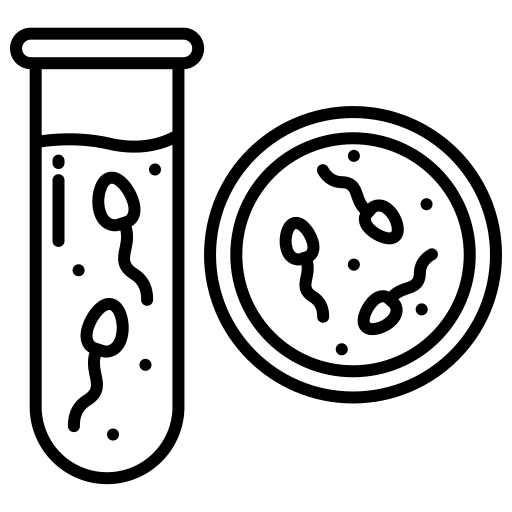
A semen sample is collected, washed, and concentrated in the lab to ensure the best quality sperm are used.

Sperm Insertion
The prepared sperm is then inserted directly into the uterus using a thin catheter.
Monitoring
The woman is monitored for signs of pregnancy after the procedure.
  • The IUI Process
  • Ovulation Tracking: Monitoring the woman’s cycle to pinpoint the time of ovulation.
  • Sperm Preparation: A semen sample is collected, washed, and concentrated in the lab to ensure the best quality sperm are used.
  • Sperm Insertion: The prepared sperm is then inserted directly into the uterus using a thin catheter.
  • Monitoring: The woman is monitored for signs of pregnancy after the procedure.
  • Benefits of IUI

IUI is less invasive and more affordable than other fertility treatments like IVF, making it a preferred option for many couples. It is a good first step before considering more advanced procedures.

Frequently Asked Questions

Gynecologists are medical specialists who focus on women’s reproductive health, and they can provide care and treatment for a wide range of issues, including Routine Gynecological Exams, Menstrual Disorders, Contraception, Menopause Management, Gynecological Infections, Pelvic Pain and Disorders, Gynecological Cancers, Surgical Procedures, Hormone Therapy, Sexual Health and more.

The pricing of women’s health treatments should prioritize accessibility and affordability, ensuring that essential healthcare services, such as gynecological exams, prenatal care, contraception, and screenings for conditions like breast cancer and STDs, are within reach for all women. Our aim is to provide fair and transparent pricing, along with options for financial assistance, should be made available to promote women’s overall well-being and equality in healthcare.

Gynecological treatments can involve various procedures, medications, and interventions, each with its own set of risks and potential side effects. The specific risks and side effects can vary depending on the type of treatment, individual patient factors, and the underlying condition being addressed. It’s essential to discuss these risks and potential side effects with your healthcare provider before starting any gynecological treatment.

The recovery time for gynecological treatments varies widely, depending on the specific treatment or procedure and individual factors. For medication-based treatments like hormonal contraception, recovery is typically immediate, with no need for downtime. In contrast, procedures such as intrauterine device (IUD) insertion often require no more than a brief recovery period, with women resuming their regular activities soon afterward. Minimally invasive procedures, such as endometrial ablation or hysteroscopy, usually entail several days to a few weeks of recovery, marked by mild discomfort, spotting, and cramping. Surgical interventions like a hysterectomy might necessitate a more extended recovery period, ranging from several weeks to a few months, depending on the extent of the surgery and individual healing. It’s essential to follow post-treatment instructions and consult with healthcare providers for personalized guidance during the recovery process, ensuring a smooth return to daily life and activities.

How an individual feels after a gynecological treatment can vary widely based on several factors, including the type of treatment or procedure, their overall health, and individual sensitivity to medical interventions. In some cases, such as medication-based treatments or the insertion of an intrauterine device (IUD), many women may feel little to no discomfort and can often resume their usual activities immediately. For minimally invasive procedures like hysteroscopy or endometrial ablation, mild discomfort, spotting, and mild cramping may be experienced for a few days to a few weeks post-treatment. Surgical interventions, such as a hysterectomy, generally entail a more extended recovery period marked by varying levels of pain or discomfort, potentially necessitating several weeks or months for a full return to regular activities.
Disclaimer: Results and patient experiences may vary. These are dependent on a number of factors including age, medical history, lifestyle and more.

Ready to Start Your Journey?

If you’re considering IUI or have any questions, we’re here to help. Our fertility specialists will guide you through every step of the process. Take the first step towards parenthood today!