ICSI & IVF – Advanced Fertility Treatments
At Baby4Real, we offer In Vitro Fertilization (IVF) and Intracytoplasmic Sperm Injection (ICSI) as advanced fertility solutions for couples facing challenges with conception. These cutting-edge treatments are designed to address a range of infertility issues, providing high success rates and personalized care for those on their journey to parenthood.

What is IVF?

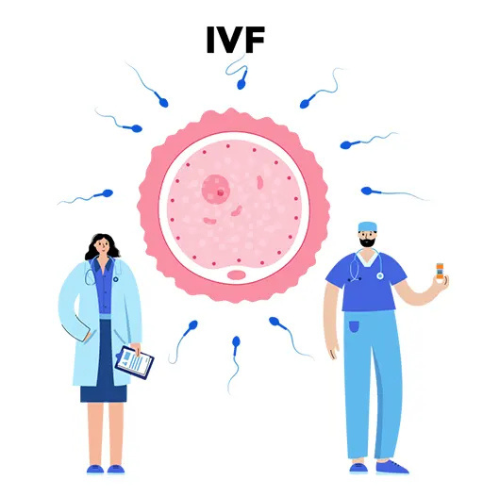
In Vitro Fertilization (IVF) is a highly effective fertility treatment in which eggs are fertilized by sperm outside the body, in a laboratory setting. The resulting embryos are then carefully monitored and transferred into the woman’s uterus, where they can implant and grow. IVF is recommended for couples facing a variety of infertility challenges, including issues with ovulation, fallopian tubes, or sperm quality.

What is ICSI?

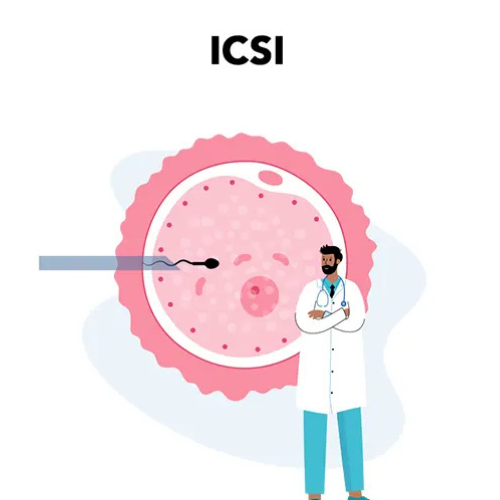
Intracytoplasmic Sperm Injection (ICSI) is a specialized technique often used in conjunction with IVF. In ICSI, a single sperm is directly injected into a mature egg to facilitate fertilization. This technique is particularly effective for overcoming male infertility issues, such as low sperm count, poor sperm motility, or abnormal sperm morphology, and is often used when traditional IVF methods have been unsuccessful.

When is IVF and ICSI Recommended?

IVF is generally recommended when:

  • Blocked or Damaged Fallopian Tubes: Preventing natural conception.
  • Male Factor Infertility: Issues like low sperm count or poor motility.
  • Endometriosis: Affecting the function of the ovaries, fallopian tubes, and uterus.
  • Unexplained Infertility: When no specific cause can be identified.
  • Failed IUI Cycles: When less invasive methods like IUI have not resulted in pregnancy.

ICSI is typically recommended for:

  • Low Sperm Count (Oligospermia): When sperm count is significantly low, reducing the chances of fertilization.
  • Poor Sperm Motility: When sperm are unable to swim effectively toward the egg.
  • Abnormal Sperm Morphology: If sperm shape or size prevents successful fertilization.
  • Failed IVF Cycles: When previous IVF attempts have not resulted in fertilization.
  • Obstructive Azoospermia: When there is no sperm in the ejaculate, but sperm can be retrieved surgically for ICSI.

ICSI can be particularly beneficial in cases of:

  • Low Sperm Count (Oligospermia): When the semen contains fewer sperm than normal, reducing the chances of natural fertilization.
  • Poor Sperm Motility: When sperm are unable to swim properly, making it difficult for them to reach and fertilize the egg.
  • Abnormal Sperm Morphology: When the shape of the sperm affects its ability to penetrate the egg.
  • Prior Failed IVF Cycles: ICSI can be used if traditional IVF methods have not resulted in successful fertilization.
  • Obstructive Azoospermia: When there is no sperm in the ejaculate due to a blockage, retrieved sperm can be used with ICSI.

The IVF and ICSI Procedure

Ovarian Stimulation (IVF):
Hormonal medications are given to stimulate the ovaries to produce multiple eggs.
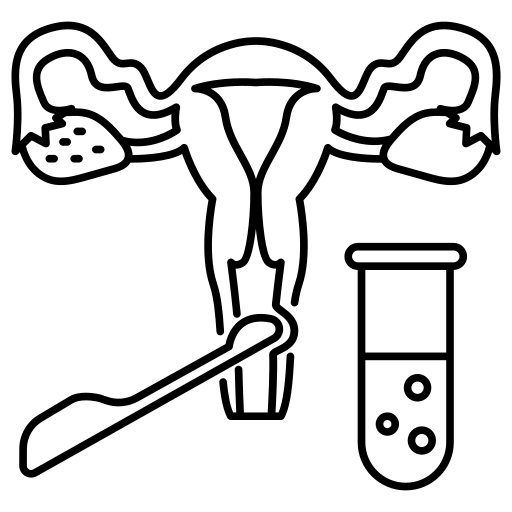
Egg Retrieval (IVF & ICSI):
A minor procedure is performed to collect mature eggs from the ovaries.

Sperm Collection and Injection (ICSI)
Sperm is collected, and a single healthy sperm is injected directly into each mature egg under a microscope.

Fertilization and Embryo Culture (IVF & ICSI):
The fertilized eggs (embryos) are monitored for development and growth.
Embryo Selection and Transfer (IVF & ICSI):
The best quality embryos are selected and transferred into the uterus, where they can implant and grow.
  • The ICSI Procedure
  • Sperm Collection: Sperm is obtained either from a fresh sample, frozen sample, or retrieved surgically in cases of severe male infertility.
  • Egg Retrieval: Mature eggs are retrieved from the female partner through a minor surgical procedure.
  • Sperm Injection: A single healthy sperm is injected directly into each mature egg using a specialized micro-needle under a microscope.
  • Fertilization and Embryo Development: The injected eggs are monitored for fertilization, and the resulting embryos are cultured for a few days.
  • Embryo Transfer: Healthy embryos are selected and transferred into the uterus for implantation.
  • Success Rates and Benefits of ICSI

ICSI significantly increases the chances of fertilization, especially in cases where male infertility is a concern. With advanced techniques and the expertise of our fertility specialists, ICSI has become a preferred method for many couples, offering them a higher chance of achieving pregnancy.

Why Choose Baby4Real?

At Baby4Real, our experienced fertility specialists provide comprehensive care, using the latest techniques and personalized treatment plans to help you achieve your dream of parenthood. With advanced diagnostic tools and expertise in both IVF and ICSI, we offer tailored solutions to address both male and female infertility concerns.

Frequently Asked Questions

Gynecologists are medical specialists who focus on women’s reproductive health, and they can provide care and treatment for a wide range of issues, including Routine Gynecological Exams, Menstrual Disorders, Contraception, Menopause Management, Gynecological Infections, Pelvic Pain and Disorders, Gynecological Cancers, Surgical Procedures, Hormone Therapy, Sexual Health and more.

The pricing of women’s health treatments should prioritize accessibility and affordability, ensuring that essential healthcare services, such as gynecological exams, prenatal care, contraception, and screenings for conditions like breast cancer and STDs, are within reach for all women. Our aim is to provide fair and transparent pricing, along with options for financial assistance, should be made available to promote women’s overall well-being and equality in healthcare.

Gynecological treatments can involve various procedures, medications, and interventions, each with its own set of risks and potential side effects. The specific risks and side effects can vary depending on the type of treatment, individual patient factors, and the underlying condition being addressed. It’s essential to discuss these risks and potential side effects with your healthcare provider before starting any gynecological treatment.

The recovery time for gynecological treatments varies widely, depending on the specific treatment or procedure and individual factors. For medication-based treatments like hormonal contraception, recovery is typically immediate, with no need for downtime. In contrast, procedures such as intrauterine device (IUD) insertion often require no more than a brief recovery period, with women resuming their regular activities soon afterward. Minimally invasive procedures, such as endometrial ablation or hysteroscopy, usually entail several days to a few weeks of recovery, marked by mild discomfort, spotting, and cramping. Surgical interventions like a hysterectomy might necessitate a more extended recovery period, ranging from several weeks to a few months, depending on the extent of the surgery and individual healing. It’s essential to follow post-treatment instructions and consult with healthcare providers for personalized guidance during the recovery process, ensuring a smooth return to daily life and activities.

How an individual feels after a gynecological treatment can vary widely based on several factors, including the type of treatment or procedure, their overall health, and individual sensitivity to medical interventions. In some cases, such as medication-based treatments or the insertion of an intrauterine device (IUD), many women may feel little to no discomfort and can often resume their usual activities immediately. For minimally invasive procedures like hysteroscopy or endometrial ablation, mild discomfort, spotting, and mild cramping may be experienced for a few days to a few weeks post-treatment. Surgical interventions, such as a hysterectomy, generally entail a more extended recovery period marked by varying levels of pain or discomfort, potentially necessitating several weeks or months for a full return to regular activities.
Disclaimer: Results and patient experiences may vary. These are dependent on a number of factors including age, medical history, lifestyle and more.